
By Oghenekevwe Kofi
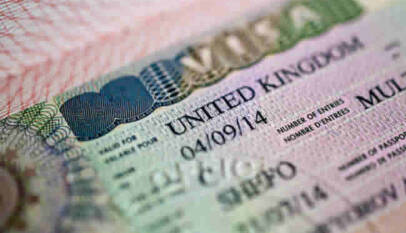
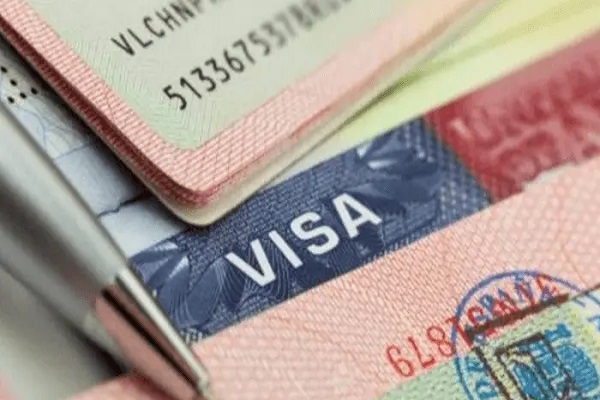
Nigerians applying for United States tourist and business visas will soon face a new financial requirement, as the U.S. government expands its visa bond pilot programme to include Nigeria from January 21, 2026.
Under the policy, certain applicants for B-1 and B-2 visas may be required to pay a refundable visa bond of $5,000, $10,000 or $15,000 before a visa can be issued. The amount is determined by U.S. consular officers during the visa interview and is based on individual assessments.
U.S. authorities have emphasized that payment of the bond does not guarantee visa approval. Applicants must still meet all existing requirements, attend interviews and satisfy immigration officers that they intend to comply fully with visa conditions, including leaving the United States before their authorised stay expires.
Nigeria is among a growing list of countries affected by the expanded programme, which was introduced to address concerns about visa overstays and compliance with U.S. immigration rules.
Several countries began implementing the visa bond requirement earlier. Malawi and Zambia started on August 20, 2025, while The Gambia began on October 11, 2025. Mauritania, São Tomé and Príncipe, and Tanzania followed on October 23, 2025. Bhutan, Botswana, the Central African Republic, Guinea, Guinea-Bissau, Namibia and Turkmenistan began implementation on January 1, 2026.
Alongside Nigeria, other countries scheduled to begin the requirement on January 21, 2026 include Algeria, Angola, Antigua and Barbuda, Bangladesh, Benin, Burundi, Cabo Verde, Côte d’Ivoire, Cuba, Djibouti, Dominica, Fiji, Gabon, Kyrgyzstan, Nepal, Senegal, Tajikistan, Togo, Tonga, Tuvalu, Uganda, Vanuatu, Venezuela and Zimbabwe.
According to U.S. officials, the visa bond is refundable if the visa holder fully complies with all visa conditions, including departing the United States on or before the authorised date. Failure to comply could result in forfeiture of the bond and may also affect future visa applications.
The policy has raised concerns among prospective Nigerian travellers, particularly over affordability, given existing visa fees, travel costs and proof of funds requirements. Immigration analysts note that the bond applies only to selected applicants, not everyone, but warn that it adds another hurdle for those seeking short-term travel to the United States.
With the January 21 start date approaching, Nigerians planning to travel to the United States are advised to closely monitor official updates from the U.S. Embassy and consular services for guidance on how the policy will be implemented locally. Nigeria also remains on the list of countries affected by partial visa restrictions under a presidential proclamation announced last month by U.S. President Donald Trump, adding an additional layer of scrutiny for applicants beyond the new visa bond requirement.