
…Experts concerned by nation’s rising external debt
By Douglas Maha, with agency reports
Britain and Nigeria on Thursday announced a 746 million pound ($990 million) export finance agreement to support the redevelopment of two of Nigeria’s busiest commercial ports, in a move aimed at boosting trade capacity and deepening bilateral economic ties.
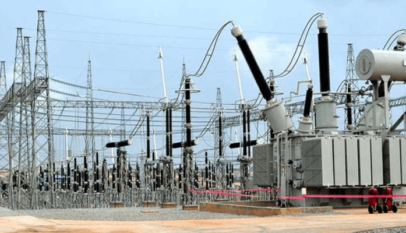
The financing package, backed by UK Export Finance (UKEF), will fund the refurbishment and modernisation of the Lagos Port Complex and the Tin Can Island Port Complex, two critical gateways for Nigeria’s imports and exports. The loan facility will be arranged and coordinated by Citibank, according to officials from both countries.
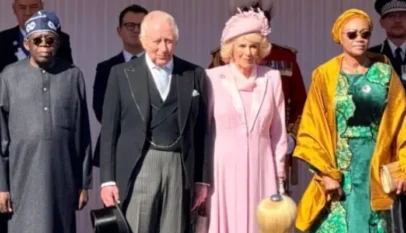
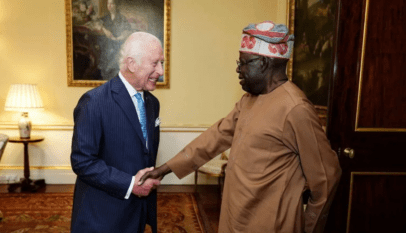
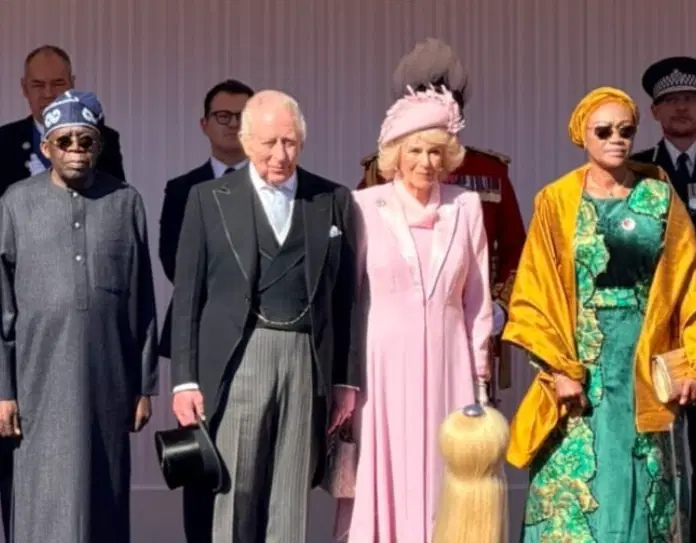
The agreement was signed during Nigerian President Bola Tinubu’s state visit to the United Kingdom and forms part of broader efforts by Abuja to upgrade ageing infrastructure, improve cargo handling efficiency and reduce congestion at key maritime hubs.
British authorities said the deal is also expected to generate about 236 million pounds worth of supplier contracts for UK firms involved in engineering, logistics and construction services. Among the beneficiaries is British Steel, which secured an estimated 70 million pound contract linked to the project — a development the UK government described as a boost for the domestic steel industry as it rolls out a new strategy to support the struggling sector.
For Nigeria, analysts say the port modernisation plan could have significant economic implications, particularly for trade facilitation and revenue generation. Lagos ports handle a substantial share of the country’s maritime cargo, but have long faced operational bottlenecks, infrastructure deterioration and delays that raise logistics costs for businesses.
Upgrading the facilities is expected to improve turnaround time for vessels, enhance customs efficiency and strengthen Nigeria’s competitiveness as a regional trade hub, especially under the African Continental Free Trade Area framework.
However, economists note that the financing structure adds to Nigeria’s external debt exposure at a time when the government is seeking to balance infrastructure investment with fiscal consolidation. Authorities in Abuja have increasingly relied on export credit arrangements and bilateral funding to address infrastructure deficits without placing immediate pressure on domestic borrowing markets.
The project underscores growing UK–Nigeria commercial engagement, with London positioning itself as a key partner in financing strategic infrastructure across Africa’s largest economy. Further details on implementation timelines and project execution frameworks were not immediately disclosed.