

By Austin Manekator
There is a quiet truth about the Nigerian Exchange that many investors sense but rarely talk about. A small circle of men who carry enormous weight. When they buy, prices lift. When they sell, confidence wobbles. When they say nothing at all, the market leans forward and listens.
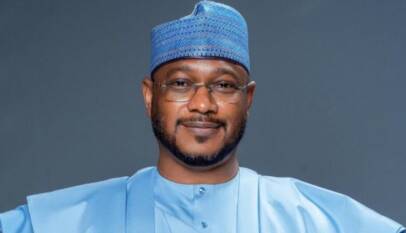
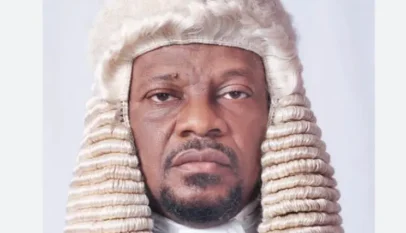
This quartet control more than 30 per cent of the NGX by market value. They are not just wealthy; they are influential in ways balance sheets cannot fully explain. Their choices shape sentiment, direction, and sometimes fear.

These are the Four Horsemen of the NGX
This is not a story about money alone. It is about power, rivalry, patience, instinct, and timing. It is also about what investors should watch closely as 2026 approaches, especially after the dramatic recent move by Femi Otedola and Geregu Power.
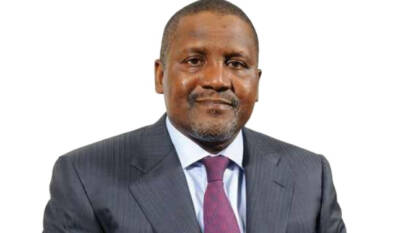
Aliko Dangote: The Fortress Builder
Aliko Dangote does not rush. He builds slowly, deliberately, and once he arrives, he stays.
Dangote Cement is not just another stock. For long stretches, it has been the market. Its weight alone can lift or sink the All Share Index. Add Dangote Sugar and NASCON, and you begin to understand why many investors treat Dangote stocks like bedrock.
The strength of Dangote stock is its solidity. His businesses are built around essentials. Cement, food, infrastructure. Things countries cannot do without. He focuses on scale, control of supply, and long-term dominance. He rarely sells. He does not need to.
What investors often miss is how quiet his companies can be for months. Prices move slowly. Volumes thin out. Then suddenly, demand appears and prices adjust sharply. That is the Dangote effect.
For 2026, the signal with Dangote stocks is patience. When nothing seems to be happening, something usually is. Infrastructure spending, policy shifts, or large institutional positioning often come first. The price movement comes later.
Abdul Samad Rabiu: The Challenger
Where Dangote builds walls, Abdul Samad Rabiu looks for doors.
BUA Cement and BUA Foods did not rise by accident. Rabiu entered sectors many believed were already locked up, forcing the market to rethink its assumptions. He competes based on pricing, speed, and expansion. In doing so, he changed the game.
There is a quiet rivalry here that investors understand even if it is rarely spoken about. Cement became cheaper. Margins tightened. Consumers benefited. Investors saw volatility and opportunity.
Rabiu’s companies feel younger. They grow faster. They take risks earlier. He is comfortable listing companies while they are still expanding aggressively. That attracts both growth investors and speculators.
For investors watching 2026, Rabiu’s moves often show up first in expansion plans and pricing decisions. When BUA announces new capacity during difficult economic periods, it usually means they see an advantage others do not yet see.
Femi Otedola: The Surgeon
If Dangote builds and Rabiu challenges, Femi Otedola cuts.
Few figures in the NGX inspire as much curiosity. Otedola is known for timing that feels almost unsettling in its accuracy. He enters quietly. He exits decisively. He rarely explains himself.
Geregu Power was his most visible recent chapter. He took a power generation company public and turned it into one of the most valuable listings on the exchange. Power is not a glamorous sector. It is complex, political, and often frustrating. Yet Otedola saw value where others saw headaches.
Then, last week, he did what many did not expect. He sold.
Otedola exited Geregu Power entirely, selling his controlling stake in a deal worth roughly one trillion naira. It was not noisy. It did not come with long speeches. It came through filings and quiet confirmations. Almost surgical.
The board was reshuffled. Control moved to new hands. And suddenly, one of the NGX’s most watched stocks entered a new phase.
This was not panic. It felt calm. Almost satisfied.
For investors, this matters deeply. Big exits often scare the market. But Otedola’s history suggests something else. He sells when value has been realised. When the story has peaked. When the next opportunity is already forming elsewhere.
Many now believe his focus is shifting back toward the financial sector, where he already holds significant influence. That is where eyes should turn in 2026. When Otedola frees up capital, it rarely stays idle for long.
Tony Elumelu: The Weaver Bird
Tony Elumelu moves differently from the others. He does not overpower the market. He connects it.
Through UBA, Transcorp, and his broader network, Elumelu sits at the intersection of banking, power, hospitality, and policy. His companies are not always the fastest movers, but they are deeply woven into the system.
There is a sense of steadiness around his investments. UBA’s presence across Africa gives it reach. Transcorp’s assets tie into energy and infrastructure. His philosophy of Africapitalism is not just a slogan. It reflects how he positions his businesses.
Elumelu benefits when reforms work, when institutions strengthen, and when long-term confidence returns. His stocks often move quietly before broader optimism takes hold.
For 2026, his signals usually come from alignment. When government policy, regional expansion, and institutional money begin to point in the same direction, Elumelu-linked companies tend to follow.
The Balance of Power
The NGX is not chaotic. It is shaped.
Dangote anchors the market. Rabiu pressures it. Otedola disrupts it. Elumelu stabilises it. Together, they create the rhythm investors live with every trading day.
Their rivalries are subtle. Their strategies are different. But their influence overlaps. When one shifts position, others often respond, sometimes without saying a word.
This is why watching prices alone is not enough. Volume changes, ownership disclosures, board movements, and long periods of silence often tell a deeper story.
Investors to watch in 2026
The biggest lesson is simple. Follow behaviour, not noise.
When Dangote stocks go quiet, stay alert. When BUA expands during stress, ask why. When Otedola sells, watch where money flows next. When Elumelu’s companies begin to move without hype, take notice.
The Nigerian market does not always shout. Sometimes it whispers.
And the Four Horsemen are usually the first to hear it.