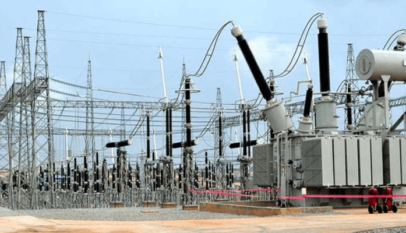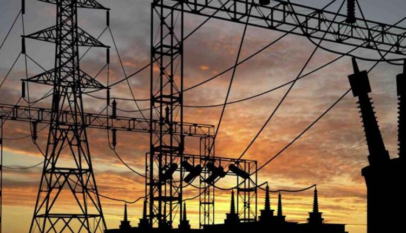


Nigeria was plunged into darkness on Wednesday after the national electricity grid suffered yet another collapse, disrupting power supply across multiple states.
The Abuja Electricity Distribution Company (AEDC) confirmed the incident in a public notice issued via its official X handle, stating that the blackout occurred at exactly 11:23 a.m. due to a sudden loss of supply from the Transmission Company of Nigeria (TCN).
“Please be informed that the power outage currently being experienced is due to a loss of supply from the national grid at 11:23 am today, affecting electricity supply across our franchise areas,” AEDC said in the statement.
The company assured customers that efforts were underway in collaboration with relevant stakeholders to restore electricity once the grid is stabilised. It also appealed for patience, sharing its customer care lines for updates and complaints: 08039070070 (calls), 08152141414, and 08152151515 (WhatsApp).
The incident immediately dominated online conversations, with “National Grid” trending as the number one topic on X. Nigerians expressed anger and frustration over the persistent instability of the country’s power supply.
Some users accused the government and power companies of neglecting infrastructure, while others raised concerns about the economic cost of the repeated collapses on households and industries.
This is not the first time the national grid has collapsed this year. In March 2025, several states were also thrown into blackout following a similar incident.
Data from the Nigerian Electricity Regulatory Commission (NERC) shows that in 2024 alone, the grid recorded several partial and total collapses. Energy experts often attribute the failures to inadequate generation capacity, transmission bottlenecks, ageing infrastructure, and poor system management.
Despite repeated assurances from the Transmission Company of Nigeria and other power sector stakeholders, grid collapses remain a chronic challenge. Businesses, manufacturers, and millions of households continue to bear the brunt of Nigeria’s fragile power system, often forced to rely on expensive alternatives such as diesel generators and solar power.
As of the time of filing this report, the TCN had yet to issue an official statement on Wednesday’s collapse, leaving Nigerians anxiously awaiting confirmation of the cause and timeline for restoration.