
By Deborah Nnamdi
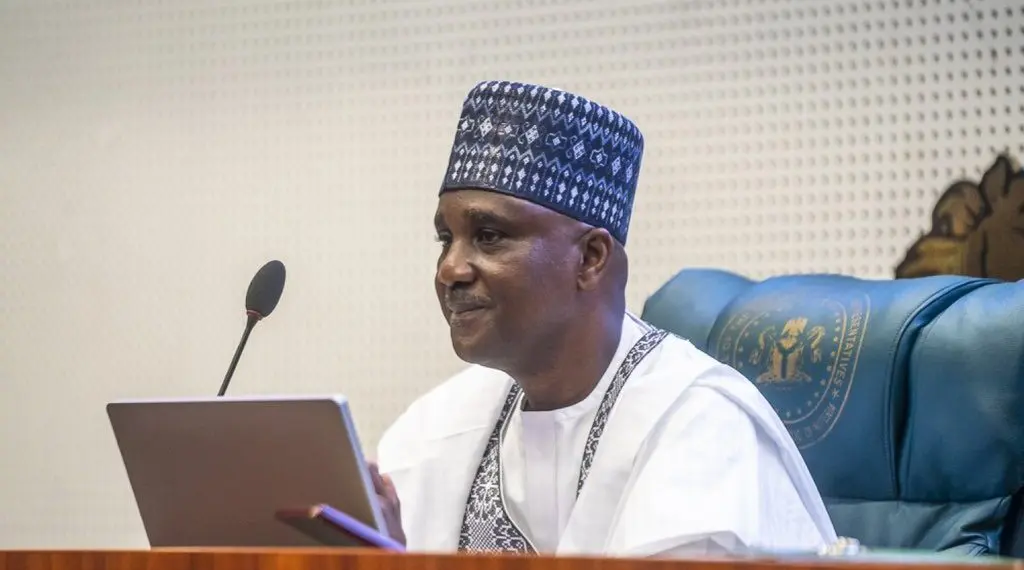
Speaker of the House of Representatives, Rep. Abbas Tajudeen, has withdrawn a proposed bill that sought to make voting compulsory for all eligible Nigerians.
The bill, which was co-sponsored by Hon. Daniel Asama Ago, aimed to amend the Electoral Act 2022 to mandate compulsory voting as a strategy to enhance democratic engagement.
In a statement released on Monday by his Special Adviser on Media and Publicity, Musa Abdullahi Krishi, the Speaker explained that the withdrawal came after extensive consultations with a wide range of stakeholders across the country.
“From the outset, the bill was introduced with the best of intentions—to bolster civic engagement and strengthen our democracy by encouraging higher voter turnout,” the statement read.
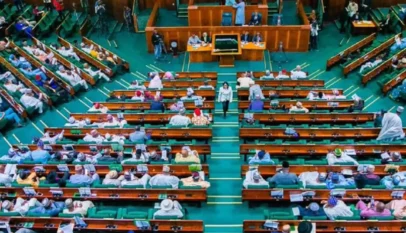
The bill had earlier passed a second reading on the floor of the House on March 21, 2024, sparking widespread debate among lawmakers, civil society organizations, and the general public.
While proponents argued it would significantly increase voter turnout, critics raised concerns about its implications on individual rights and the feasibility of enforcing such a law in Nigeria’s diverse electoral landscape.
Citing global examples, the speaker noted that compulsory voting has helped sustain participation rates above 90 percent in countries such as Australia, Belgium, and Brazil, with similar practices adopted in Argentina and Singapore. However, he emphasized that Nigeria must pursue democratic reforms that reflect its unique context and public sentiment.
“Lawmaking is ultimately about the people it serves, and any reform must respect individual freedoms,” Speaker Abbas stated.
Rather than compel citizens to vote, he expressed commitment to exploring alternative, non-coercive measures that incentivize participation, especially among young and first-time voters.
“This withdrawal will allow time for further dialogue on how best to cultivate a culture of voluntary participation that honors both our democratic ideals and the rights of our citizens”.
The bill had drawn a mix of reactions from Nigerians who called for sustained efforts to address the root causes of voter apathy, including electoral violence, lack of trust in the system, and logistical challenges on election days.