
…Iran attacks Saudi Arabia, Israel, Bahrain, UAE other US allies
In the early hours of Saturday, 28 February 2026, the Middle East was thrust into one of its most dangerous escalations in decades as the United States and Israel launched coordinated military strikes on Iranian territory, triggering swift and far-reaching retaliation from Tehran across the Gulf region.
The joint offensive, described by officials in Washington and Tel Aviv as a pre-emptive security operation, targeted multiple locations inside Iran. Explosions were reported in and around the capital, Tehran, with additional strikes hitting strategic areas in Isfahan, Qom, Karaj, and Kermanshah. According to initial statements, the targets included military installations and infrastructure believed to be linked to Iran’s missile and defense capabilities.
In Washington, President Donald Trump announced the commencement of what he called “major combat operations,” framing the action as a necessary move to neutralize longstanding security threats. Israeli officials echoed similar sentiments, insisting the operation was aimed at preventing imminent dangers tied to Iran’s regional activities and military posture.
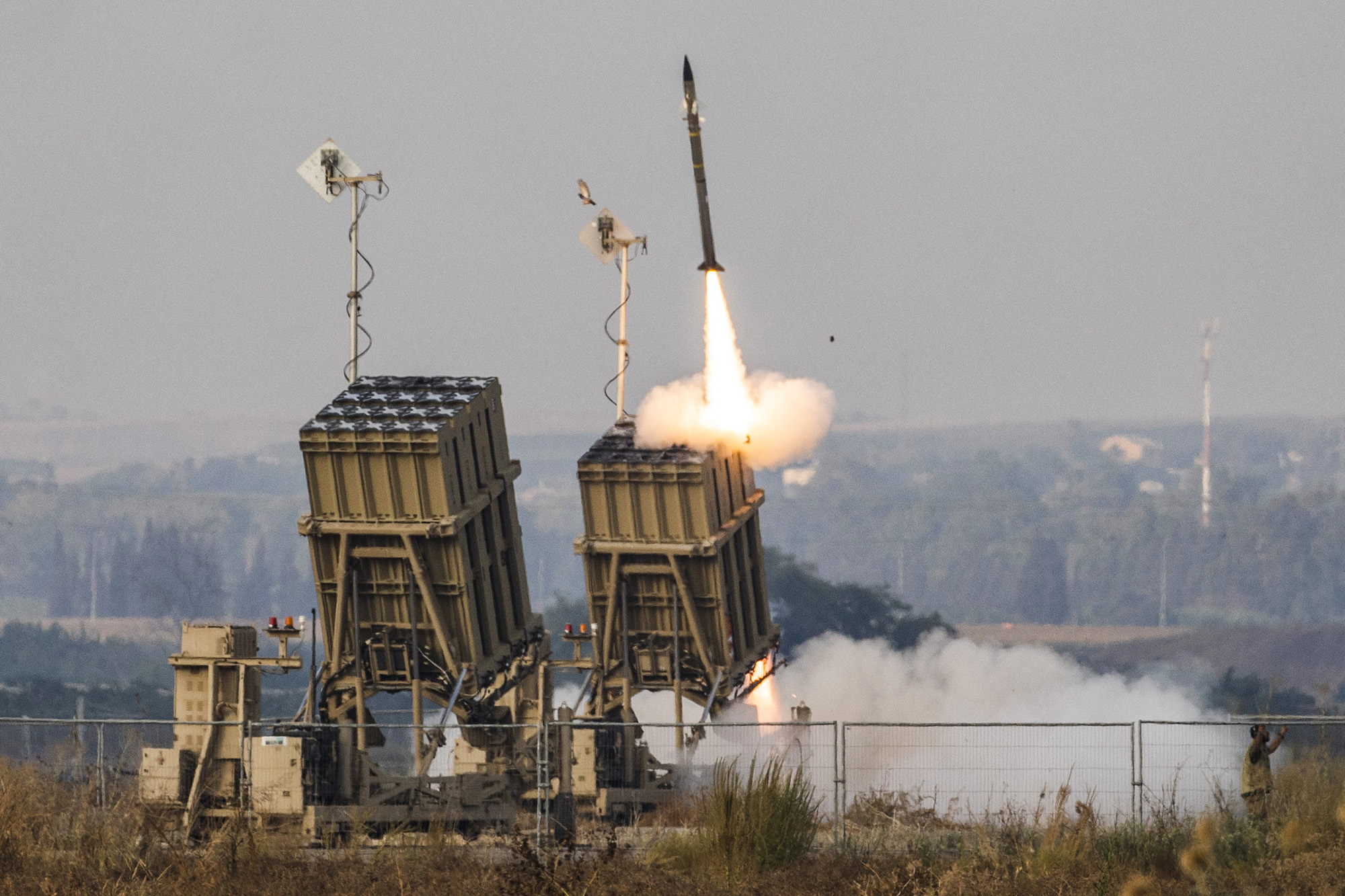
Within hours, Iran mounted a significant retaliatory response. The Islamic Revolutionary Guard Corps launched a barrage of ballistic missiles and armed drones aimed at Israeli territory and U.S. military installations across the Gulf. Air raid sirens blared in several Israeli cities as missile defense systems were activated.
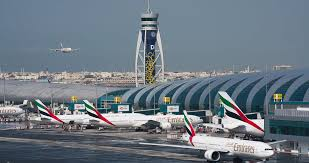
Beyond Israel, the conflict quickly spread across the Persian Gulf. In Bahrain, explosions were reported near facilities associated with the U.S. Fifth Fleet. Alerts and intercept operations were also recorded in Qatar, United Arab Emirates, including areas around Abu Dhabi, and Kuwait. Regional governments temporarily closed portions of their airspace and heightened national security alerts as defensive systems worked to intercept incoming projectiles.
The immediate humanitarian and civilian impact remains fluid. At least one civilian fatality has been reported in the Gulf region, while Iranian authorities confirmed casualties from the initial strikes. Commercial aviation has been severely disrupted, with flights rerouted or suspended across major corridors connecting Europe, Asia, Africa, and the Middle East. Airspace closures over Iran, Israel, Iraq, and Jordan have compounded global travel disruptions.
International reaction has been swift and cautious. The United Nations is reportedly holding urgent consultations, with multiple member states urging restraint and a rapid return to diplomacy. In Europe, leaders have called for de-escalation, warning that continued confrontation risks igniting a broader regional war.
The United Kingdom, led by Prime Minister Keir Starmer, convened emergency security meetings to assess potential regional fallout. While London has not joined the offensive, British authorities have deployed defensive assets to protect allied interests and have advised nationals in the region to remain vigilant. India and several Asian and African governments have also issued travel advisories for their citizens in affected areas.
Meanwhile, Tehran has signaled that its retaliation may not be over. Iranian officials declared that U.S. and Israeli military assets in the region remain “legitimate targets” if hostilities continue. The rhetoric from all sides suggests little immediate appetite for de-escalation, raising fears among analysts that the confrontation could evolve into a prolonged and wider conflict.
What began as a coordinated strike has rapidly transformed into a multi-front crisis stretching from central Iran to the Gulf states and Israel. With diplomatic channels strained and military operations ongoing, the region stands at a precarious crossroads. The coming hours and days will determine whether international mediation can contain the violence — or whether the Middle East is entering a new and volatile chapter of direct interstate warfare.