

Former President Goodluck Jonathan has expressed deep concern over the suspension of elected officials in Rivers State, warning that such actions could damage Nigeria’s democratic reputation and deter foreign investments.
Speaking at the Haske Satumari Foundation Colloquium in Abuja on Saturday, Jonathan condemned the unfolding political crisis, stressing the importance of upholding democratic principles.
“These actions by key figures in the executive and legislative arms of government project the country in a negative light,” he stated.
While former presidents typically avoid commenting on political matters to prevent escalating tensions, he insisted that Nigeria’s global perception and its ability to attract investors depend significantly on the conduct of the executive, legislature, and judiciary.
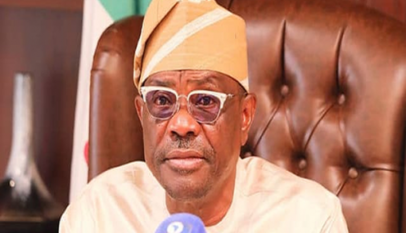
The political turmoil in Rivers State stems from a power struggle between Governor Siminalayi Fubara and his predecessor, former Governor Nyesom Wike, who is now the Minister of the Federal Capital Territory.
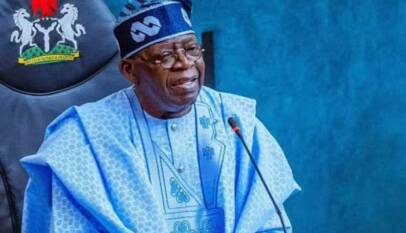
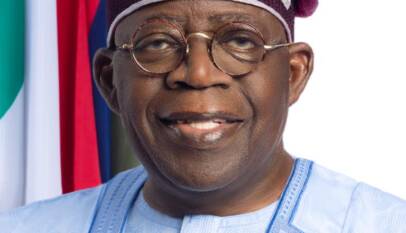
The rift has fueled deep divisions within the state’s political structure, leading to factional disputes in the House of Assembly. The situation escalated when President Bola Tinubu declared a state of emergency in Rivers State, suspending Governor Fubara, Deputy Governor Ngozi Odu, and all members of the state House of Assembly for six months.
The move, unprecedented in recent Nigerian history, has drawn widespread criticism.
Governors of the Peoples Democratic Party (PDP) have strongly opposed Tinubu’s intervention, calling it unconstitutional and a threat to Nigeria’s democracy. Many legal analysts and political observers have also raised concerns over the legality of the emergency rule, questioning whether due process was followed.
Opposition voices argue that the President does not have the unilateral authority to suspend elected officials without legislative approval or judicial backing. Some legal experts warn that if this action is allowed to stand, it could set a dangerous precedent for federal interference in state affairs.
Jonathan urged all parties to prioritize dialogue and respect constitutional provisions to resolve the crisis peacefully, emphasising that Nigeria’s democratic institutions must not be weakened by political rivalries.