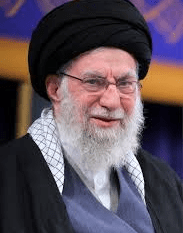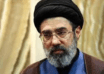

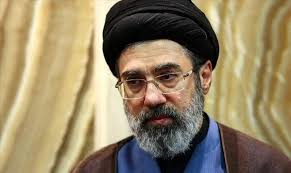
Photo: Iran’s Supreme Leader, Khamenei
Israeli airstrikes have killed the intelligence chief of Iran’s Revolutionary Guards, Majid Khademi, as tensions escalate across the Middle East, with Tehran rejecting threats from Donald Trump to target civilian infrastructure if it fails to reopen the Strait of Hormuz.
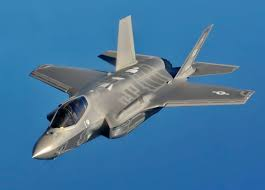
The conflict intensified on Monday with continued exchanges of missiles and drones between both sides. Iranian forces launched attacks targeting Israel, Kuwait and the United Arab Emirates, while Israeli strikes hit multiple locations in Iran and parts of Lebanon, where it is also confronting the Tehran-backed Hezbollah.
Iran warned that its response would be “much more devastating” if the United States followed through on threats to strike civilian facilities. Trump had earlier issued a series of social media posts demanding that Tehran reopen the strategic waterway by Tuesday evening, warning of severe consequences if it failed to comply.
The Strait of Hormuz, a critical global energy route, has been largely blocked by Iran, triggering a sharp rise in global oil and gas prices and prompting governments worldwide to introduce measures to cushion the economic impact.
Iran’s Deputy Foreign Minister, Kazem Gharibabadi, accused Trump of publicly threatening war crimes by suggesting attacks on infrastructure such as bridges and power plants. The Revolutionary Guards also declared that the strait would “never return to its former status,” particularly for the United States and Israel.
Israel’s Defence Minister, Israel Katz, confirmed that Israeli forces carried out the strike that killed Khademi, describing him as a key figure responsible for attacks on Israeli civilians. He vowed that Israel would continue targeting senior Iranian officials.
Amid the intensifying conflict, diplomatic efforts are underway to broker a ceasefire. Reports indicate that a 45-day truce, mediated by Pakistan, Egypt and Turkey, is being considered to allow room for broader peace negotiations. Egypt’s Foreign Minister, Badr Abdelatty, confirmed ongoing discussions with regional governments, as well as US envoy Steve Witkoff and Iran’s Foreign Minister Abbas Aragchi.
Trump, however, claimed that Iran was “close” to agreeing to a deal, a statement repeatedly denied by Tehran, which insists it is not engaged in negotiations with Washington or Israel.
The war, which began on February 28 following joint US-Israeli strikes that reportedly killed Iran’s Supreme Leader Ali Khamenei, has since spread across the region, impacting global markets and security.
Iran’s parliament speaker, Mohammad Bagher Ghalibaf, warned that the entire region risks being engulfed in flames, accusing Trump of acting under the influence of Israeli Prime Minister Benjamin Netanyahu.
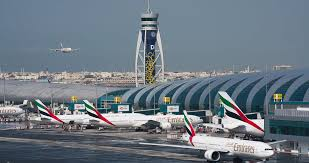
Meanwhile, fresh attacks were reported across the Gulf, with Kuwait confirming injuries following a strike on a residential area, while the United Arab Emirates said its air defence systems intercepted missiles and drones over Abu Dhabi.
In Israel, authorities said an Iranian missile struck a residential building in the northern city of Haifa, killing two people and leaving others trapped under rubble. In Iran, strikes reportedly hit residential areas in Tehran, with power and gas outages affecting parts of the capital.
The conflict has also deepened in Lebanon, where Israeli forces have intensified operations against Hezbollah positions. Israeli military chief Lieutenant General Eyal Zamir visited troops in southern Lebanon, pledging to expand the offensive as airstrikes continued in Beirut’s southern suburbs.
AFP