
Israel has reportedly carried out an airstrike on Iran’s South Pars gas field, the world’s largest natural gas deposit, in what analysts describe as a significant escalation in the ongoing Gulf conflict.
According to Reuters, the attack occurred on Wednesday, with Iranian authorities confirming that parts of the sprawling facility were hit. Gas storage tanks and sections of a refinery were reportedly damaged, forcing the evacuation of workers while emergency response teams battled a fire at the site.
Tehran signalled swift retaliation, warning neighbouring Gulf states that their energy infrastructure could be targeted in response to the strike. Iranian state media quoted officials as declaring certain centres “direct and legitimate targets,” urging citizens, residents, and employees to vacate affected areas immediately.
Although reports suggest the strike was carried out with the consent of the United States, the Israeli military has yet to issue an official statement. Qatar condemned the development, describing it as a dangerous escalation with far-reaching implications for global energy stability.
The attack marks the first reported strike on Iran’s gas infrastructure since hostilities began on February 28. It comes 10 days after Israeli forces targeted oil storage facilities in Tehran, signalling a shift toward critical energy assets as strategic targets.
The South Pars field, which Iran shares with Qatar—where it is known as the North Field—is central to Iran’s economy. Spanning approximately 3,700 square kilometres, an area larger than Lagos State, it accounts for a substantial share of Iran’s domestic gas supply and export capacity.
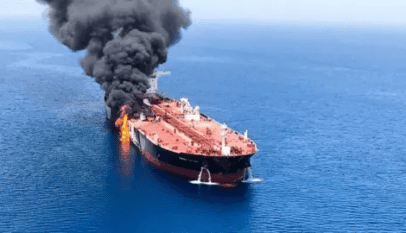
Eighteen days into the conflict, both sides have intensified efforts to inflict economic and strategic damage. Iran has moved to block the Strait of Hormuz, a critical maritime corridor through which about 20 per cent of the world’s oil supply passes, triggering spikes in global oil prices.
Regional energy infrastructure has also come under pressure. Saudi Arabia’s state oil giant reportedly halted operations at a major refinery in its Eastern Province following a drone strike linked to Iran’s retaliatory actions, disrupting facilities capable of processing more than 500,000 barrels of crude per day. In Qatar, authorities temporarily shut down downstream production after energy facilities in Ras Laffan Industrial City and Mesaieed Industrial City were attacked. Similar disruptions have been recorded in the United Arab Emirates, Kuwait, Bahrain, and Oman.
The latest strike suggests a potential shift in Israel’s strategy toward targeting Iran’s energy backbone. Until recently, operations had largely focused on dismantling Iran’s leadership structure, with reports indicating that Intelligence Minister Esmaeil Khatib was killed in a targeted strike in Tehran earlier on Wednesday.
With energy infrastructure increasingly in the crosshairs, analysts warn that the conflict risks expanding beyond military targets to critical economic assets, heightening fears of prolonged instability across the Gulf region and global energy markets.