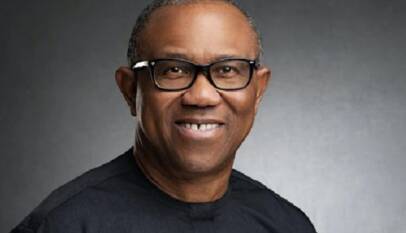


Photo: Mahmood Yakubu, INEC Chair –
By Augustus Adomagbo
Nigeria’s democratic journey has made notable strides over the past two decades. The country has recorded the longest unbroken civil rule since 1960. This, no doubt, is worth glass clinking. Sadly, though, our electoral process remains unnecessarily cumbersome, expensive, and exclusionary. From the cost of elections to the logistics of voter registration and verification, the current system discourages participation—particularly among the youth, who should form the bedrock of our democracy.
One of the most persistent challenges boggling the road to a seamless, simplified electoral system is the duplication of identity systems. Despite having at least three recognised national IDs—the National Identity Number (NIN), the Driver’s Licence, and the International Passport—citizens are still required to undergo a separate, often frustrating voter registration process and rely on BVAS (Bimodal Voter Accreditation System) machines to be eligible to vote.
This approach is not only inefficient but also costly. The Independent National Electoral Commission (INEC) reportedly spent over ₦300 billion on the 2023 elections—much of it going into logistics, equipment procurement, and voter identification efforts. Meanwhile, voter turnout has continued to decline, with less than 30% of registered voters participating in the last general election.
Learning from Global Best Practices
Many developed democracies have adopted simpler, more inclusive voting systems that leverage existing identification frameworks to promote participation and reduce administrative burdens:
Notably among these countries are:
Estonia, a global leader in digital governance, which allows citizens to vote securely online using their national ID cards. Voter turnout remains strong, and the process is fast, transparent, and tamper-resistant.
Sweden and Germany are two European countries that do not register voters separately. Once a citizen reaches voting age and holds a national ID, they are automatically eligible. The system relies on trust, data integration, and national records—streamlining the process for both voters and authorities.
The United Kingdom allows citizens to vote using a simple voter card mailed to them, and identification requirements are minimal. The process is designed to be efficient and accessible.
Canada uses its national health and social insurance cards for voter identification in most provinces, reducing redundancy and making it easy for citizens to verify their eligibility to both stand for and vote in an election.
Nigeria’s Missed Opportunity
With over 100 million Nigerians registered under the National Identity Management Commission (NIMC), and millions more with valid driver’s licences/international passports, we already have the infrastructure to modernise voting in Nigeria. Instead of issuing another layer of voter IDs or requiring people to stand in long queues for registration or revalidation, we should program these existing IDs to serve dual purposes—citizenship identification and voter eligibility.
By integrating the electoral system with existing identity databases—securely and transparently—INEC can drastically reduce the cost of elections, improve operational efficiency, and increase access for marginalised populations, especially young voters, students, artisans, and professionals who often cannot afford the time or disruption required to navigate today’s complex system.
Empowering the Youth Through Simplicity
Nigeria’s youth, who form over 60% of the population, are often the most disengaged in elections—not due to apathy, but due to the structural difficulties in registering, verifying, and voting. Long registration queues, technical issues on election day, and lack of digital options all contribute to voter fatigue. Simplifying the process through existing IDs would empower millions of first-time voters and reconnect them with the democratic process.
This would not only get more Nigerians to exercise their franchise, but it would also change the national embarrassment of shutting down the nation, states or LGAs simply to choose leaders. Billions of manhours, human and material resources, as well as trillions of naira would be saved by simply changing how electorates are identified and how our elections are conducted.
A Call to Action
Reforming Nigeria’s voting system is not just a matter of convenience—it is a matter of democratic justice. If we are serious about building a functional, inclusive democracy, we must simplify the path to participation. Leveraging existing national ID systems is a logical, cost-effective, and progressive step forward.
Let’s build a system that works for the people, not against them.
Augustus Adomagbo sent this piece from Asaba, Nigeria
Comments? Rejoinder? Have your say: email naijadailynews2024@gmail.com