
….Presidency calls for probe
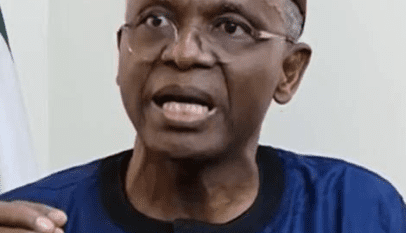
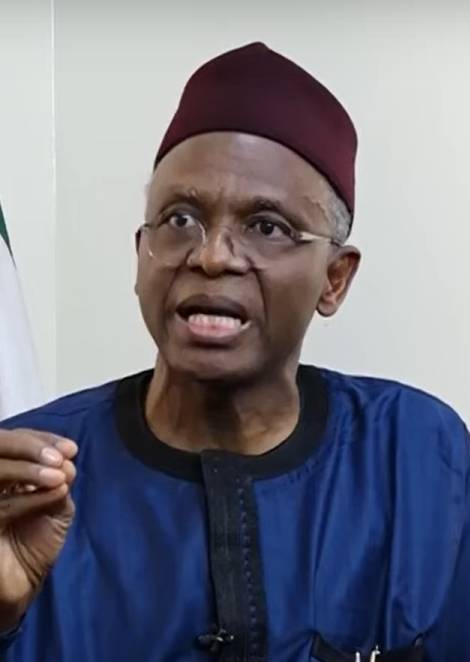
Effervescent former Kaduna State governor, Malam Nasir El-Rufai, is known for his verbosity andn overreach, which critics say is attention-seeking, but his recent claim suggesting that the phone of Nigeria’s National Security Adviser, Malam Nuhu Ribadu, may have been tapped by someone known to him, may have put him on the sport.
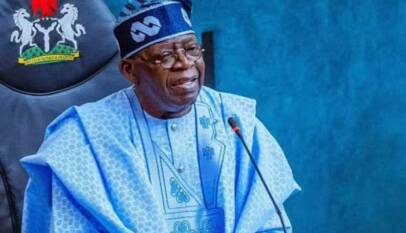
Presidential spokesperson, Mr Bayo Onanuga, has called for probe and possible prosecution of El-rufai over the claim.
The claim has raised legal, political, and security concerns, particularly in the context of the country’s counter-terrorism operations, and suspicions that the recent spike in insecurity across the northern part of the country, from where El-Rufai hails, is fueled by politics.
During a interview on a cable network, Arise TV, El-Rufai indicated that a friend or associate had access to intercepted communications linked to the office of the National Security Adviser of Nigeria and shared details with him. He did not provide names, technical details, or documentary evidence, but the suggestion alone has triggered debate within political and security circles.
Why the Claim Is Sensitive
Security analysts say any assertion that the communications of a sitting NSA were compromised — especially by a private individual — points either to a grave breach or a serious misunderstanding. The NSA’s office coordinates intelligence and national security strategy, including counter-terrorism efforts, making its communication channels highly sensitive.
Experts warn that public claims of compromised intelligence lines can create uncertainty, embolden hostile actors, and erode confidence in security safeguards — even when unverified.
Some former security officials note that lawful interception typically follows strict authorization processes. An allegation of informal or private tapping, if true, could imply criminal exposure for those involved. If untrue, they say, it still risks spreading damaging misinformation about national security infrastructure.
Reacting to the development, Onanuga on X wrote, “El-Rufai confesses to wire tapping Nigeria’s NSA on TV. Does it mean that he and his collaborators have wire tapping facilities?”
“This should be thoroughly investigated and punishment meted out. El-Rufai is not too big to face the wrath of the law,” he stated.
Possible Implications for El-Rufai
Observers say El-Rufai’s remarks could have personal and legal implications depending on how authorities interpret them. By referencing alleged intercepted security communications, he may invite scrutiny over:
- How he obtained the information
- Whether classified material was improperly shared
- Whether any laws governing intelligence disclosure were breached
- Whether the claim amounts to reputational harm against a security office
Legal analysts say that even indirect claims involving surveillance or interception can trigger inquiries if they suggest unauthorized access to protected communications.
Politically, critics argue the statement exposes El-Rufai to avoidable controversy and weakens his credibility unless backed by verifiable proof. Supporters, however, say the claim — if clarified — could raise legitimate oversight questions about surveillance vulnerabilities.
Counter-Terrorism Concerns
The controversy also intersects with Nigeria’s ongoing fight against terrorism and insurgency. Intelligence coordination — often routed through the NSA’s office — depends heavily on secure communications, inter-agency trust, and operational secrecy.
Security commentators caution that public disputes or speculative claims involving intelligence interception can have unintended consequences, including:
- Undermining inter-agency confidence
- Distracting from counter-terror operations
- Creating public doubt about intelligence integrity
- Providing propaganda material for hostile groups
They stress that counter-terrorism effectiveness relies not only on tactical capacity but also on institutional credibility and disciplined public communication by political actors.
Calls for Clarification
As reactions continue, some civil society voices are calling for clarification rather than confrontation — urging either evidence to support the allegation or an official rebuttal to settle the matter. Others recommend that sensitive security claims be handled through formal oversight or judicial channels rather than public forums.
So far, no formal official response has addressed the specific assertion. But analysts say the episode illustrates how high-level security references — even when loosely framed — can quickly escalate into national controversy, with implications extending beyond politics into the heart of security governance.