
Oghenekevwe Kofi
Nigeria is a country steeped in history, its cultural heritage shaped by centuries of diverse civilizations, kingdoms, and colonial influences. From ancient landmarks to historic cities, travelling through Nigeria is an opportunity to connect with the stories and traditions that have shaped the nation.
Here is a guide to some of the most significant sites for travellers looking to explore Nigeria’s rich past.
Benin City: The Legacy of the Benin Empire
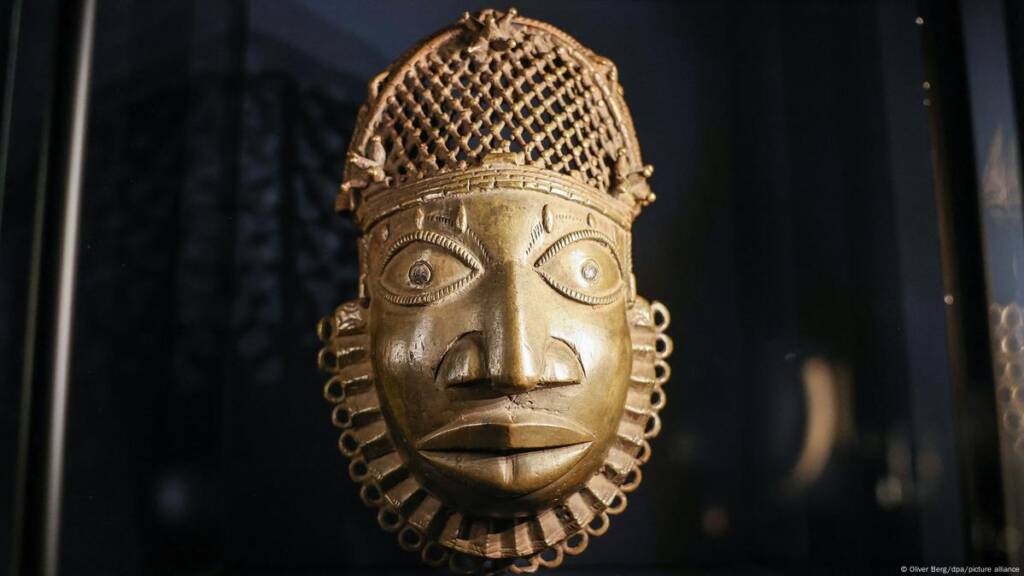
Once the heart of the powerful Benin Empire, Benin City in Edo State is a destination that allows visitors to step into a bygone era. The city is renowned for its ancient bronze and ivory works, which are now displayed in museums worldwide. Visitors can explore the remnants of the Great Walls of Benin, considered one of the largest man-made structures in history, and visit the Oba’s Palace, a cultural symbol of the enduring Benin monarchy. The best time to visit is during the annual Igue Festival, a cultural celebration that showcases traditional music, dance, and rituals.
Sukur Cultural Landscape
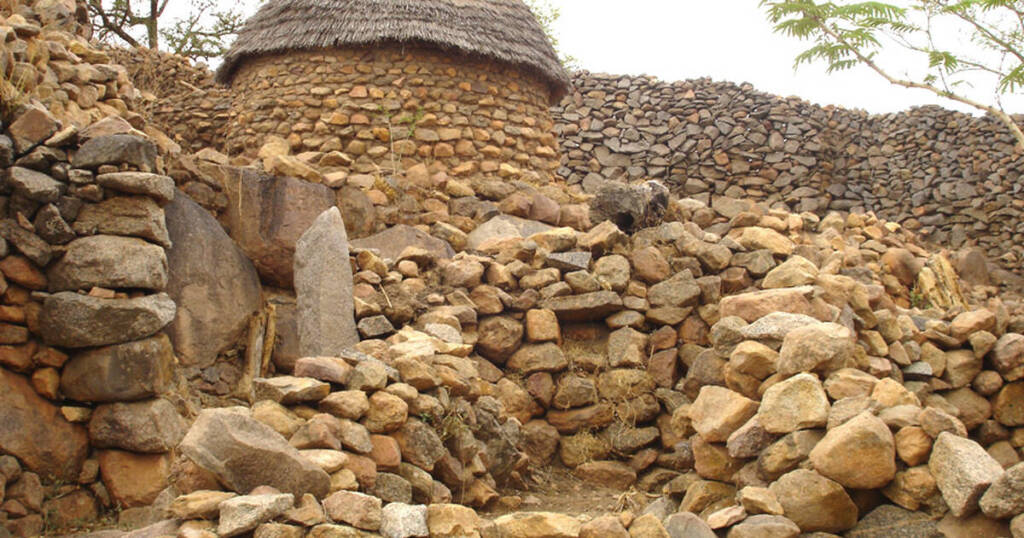
A UNESCO World Heritage site, the Sukur Cultural Landscape in Adamawa State offers a glimpse into Nigeria’s ancient pastoral and agricultural traditions. Nestled in the Mandara Mountains, the landscape is famous for its terraced fields, traditional iron smelting, and the impressive stone palace of the Hidi, the local chief. Sukur’s unique cultural heritage has remained largely unchanged for centuries, making it a fascinating destination for travellers interested in Nigeria’s ancient history. The best time to visit is during the dry season (November to April) when the region is most accessible.
Badagry: A Gateway to Nigeria’s Slave Trade History
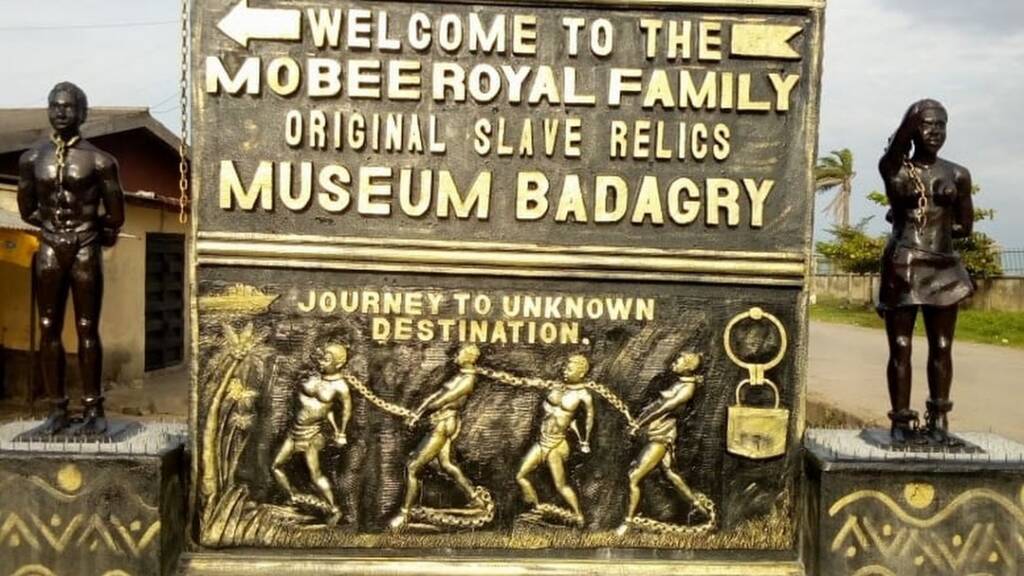
For those interested in understanding Nigeria’s role in the transatlantic slave trade, Badagry, a coastal town in Lagos State, is a poignant destination. Visitors can explore the Badagry Heritage Museum, which chronicles the history of the town as a major slave port. The Point of No Return, a beach where enslaved Africans were shipped to the Americas, is another sobering landmark. Badagry’s rich history also includes interactions with early European missionaries and colonial traders, and the town is home to the first-story building in Nigeria. The best time to visit is during the annual Badagry Diaspora Festival in August, which celebrates the town’s cultural heritage.
Kano: A City of Ancient Trade and Culture
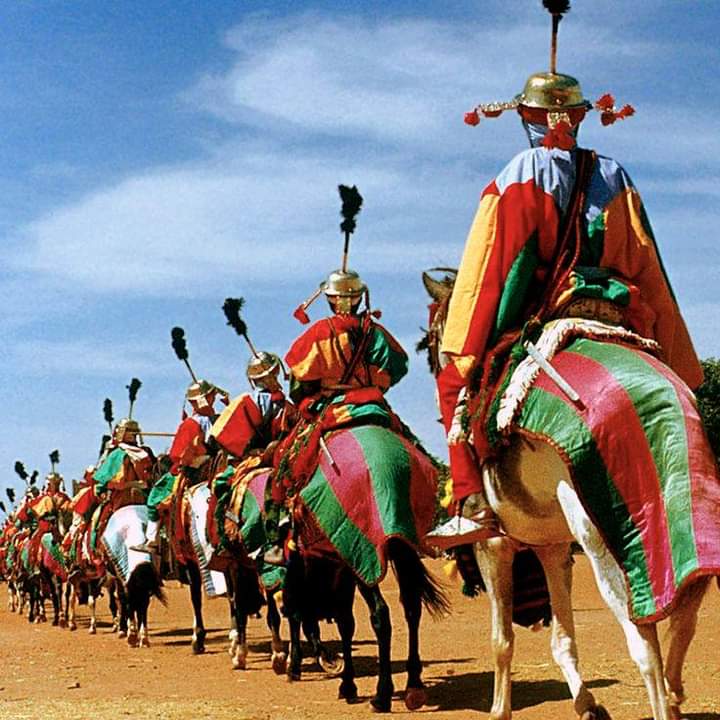
Photo: Kano Durbar in its colourful glory
Kano, one of Nigeria’s oldest cities, is a vibrant hub of culture and commerce, with a history dating back over 1,000 years. Known for its ancient city walls and the iconic Emir’s Palace, Kano was a major centre of trade and Islamic scholarship in West Africa. Visitors can explore the Kurmi Market, one of the oldest markets in Nigeria, and the Gidan Makama Museum, which showcases Kano’s history and architecture. Kano’s cultural life is rich with festivals, including the Durbar, an annual horseback parade that celebrates Islamic holidays. The dry season, from November to February, is the best time to experience the city’s rich traditions.
Osun-Osogbo Sacred Grove
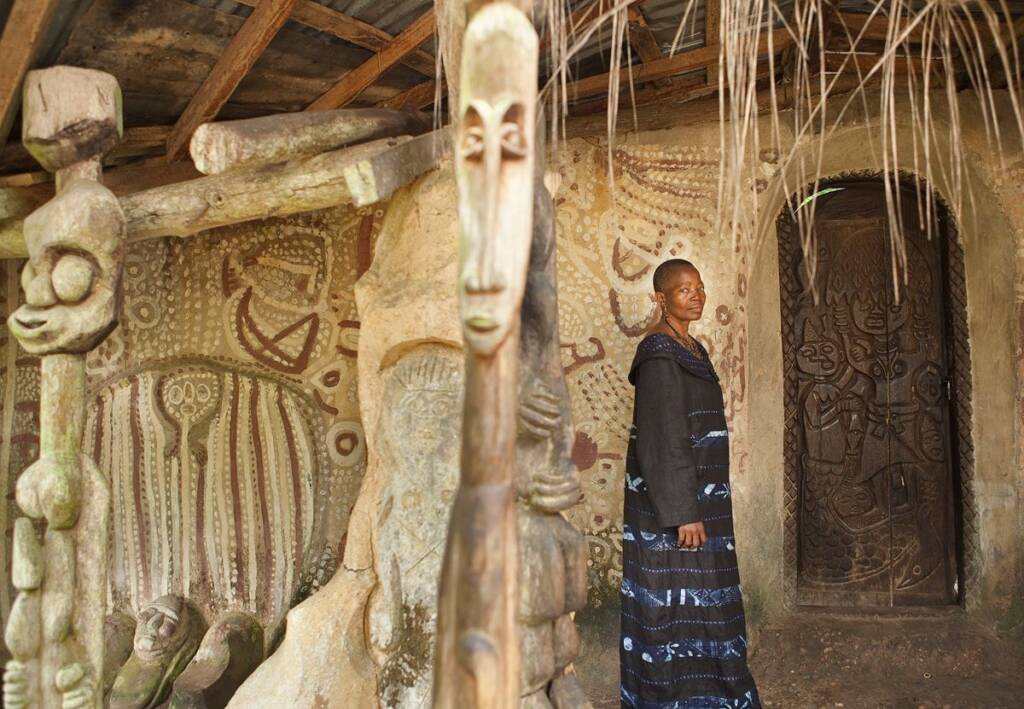
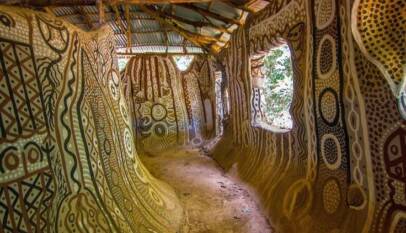
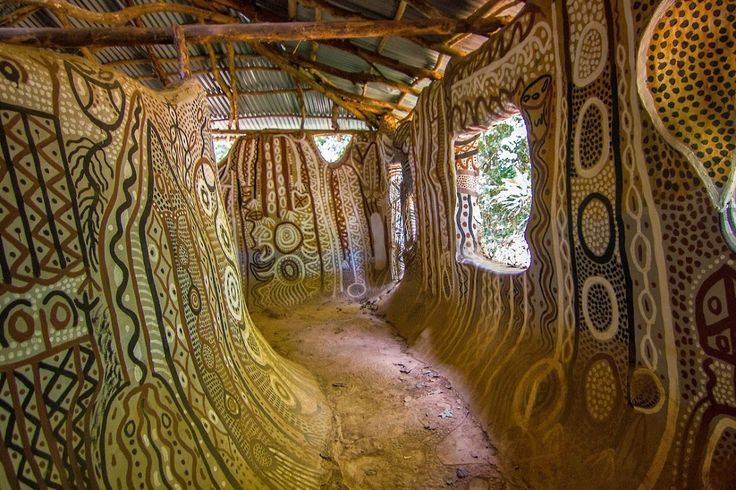
Nestled in the heart of Osogbo, Osun State, the Osun-Osogbo Sacred Grove is a UNESCO World Heritage site that reflects Nigeria’s deep spiritual and artistic traditions. The grove is dedicated to Osun, the goddess of fertility in the Yoruba religion, and is dotted with sacred shrines, sculptures, and artworks created by local artisans. The annual Osun-Osogbo Festival, held in August, draws visitors from around the world to witness traditional rituals, drumming, and cultural performances. The grove is a serene destination for those looking to connect with Nigeria’s spiritual heritage, and the best time to visit is during the festival season.
Ile-Ife: The Cradle of Yoruba Civilization
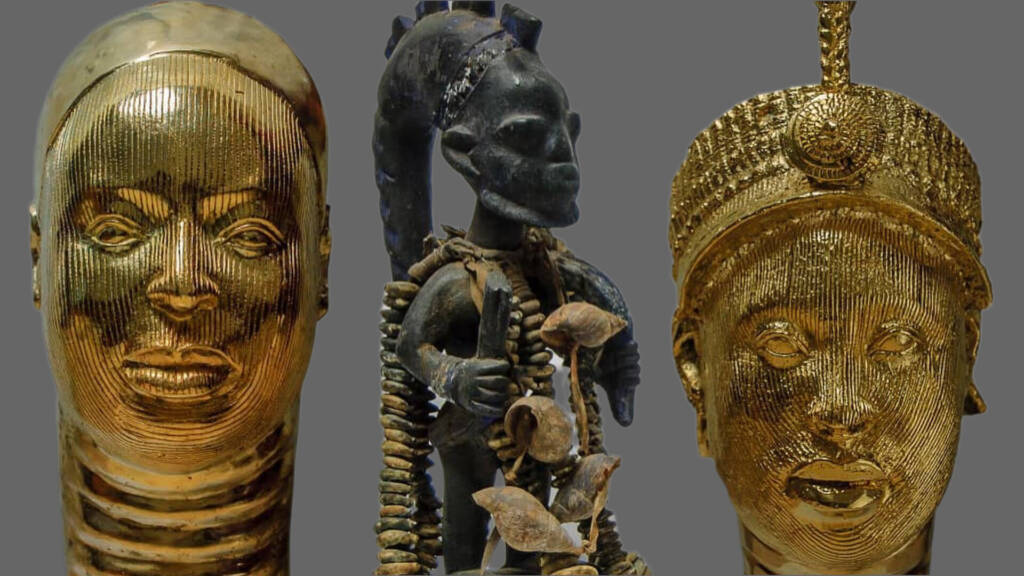
Known as the spiritual home of the Yoruba people, Ile-Ife in Osun State is a city rich in myth, legend, and history. It is believed to be the birthplace of humanity in Yoruba mythology, and visitors can explore sites like Ooni’s Palace and the National Museum, which houses ancient bronze and terracotta sculptures that highlight the city’s artistic heritage. The annual Olojo Festival celebrates the Yoruba people’s historical and spiritual connection to Ile-Ife, with traditional ceremonies led by the Ooni, the spiritual leader of the Yoruba. The best time to visit is during the festival period in September.
Exploring Nigeria’s Heritage
Travelling to Nigeria’s historical cities and landmarks is more than just a journey through time; it is a profound way to connect with the cultures and traditions that continue to shape the nation today. Whether walking through ancient cities or witnessing vibrant cultural festivals, visitors to Nigeria’s cultural heritage sites will find themselves immersed in the stories and spirit of the country.
For the best experience, plan your visit around major cultural festivals and the dry season, from November to April, when most regions are accessible and the climate is more favourable for exploration. Through these journeys, travellers can discover the richness of Nigeria’s history, and leave with a deeper appreciation for its diverse cultural legacy.
Oghenekevwe Kofi is CEO, SAMKOOK Travels and Tours, a reputable travel, tour and leisure company with headquarters in Lagos, Nigeria