

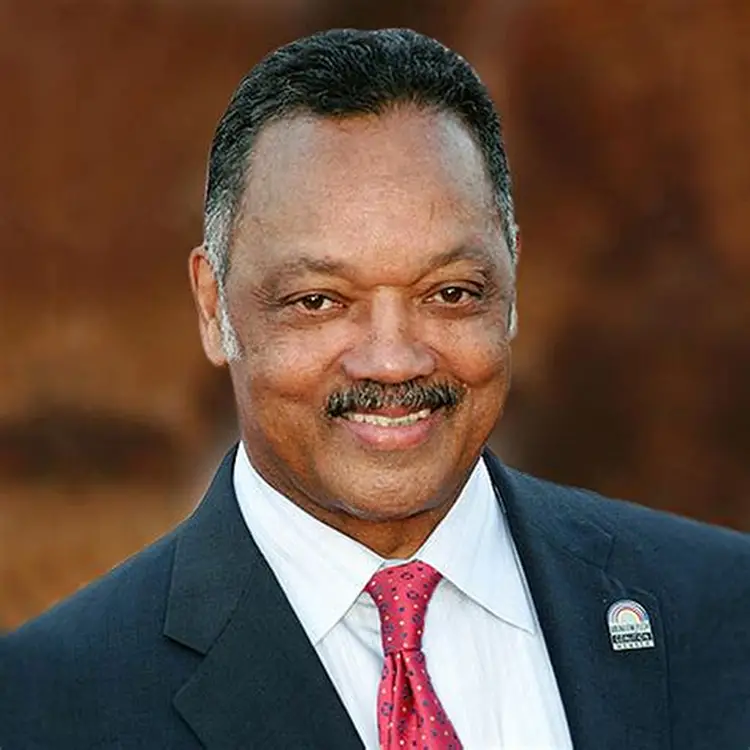
Rev. Jesse Jackson, a defining figure of the modern civil rights movement and two-time U.S. presidential contender, has died at 84. His family confirmed his passing on Tuesday, marking the end of a public career that spanned more than five decades of activism, political mobilization and global human rights advocacy.
Born October 8, 1941, in Greenville, South Carolina, Jackson rose from the segregated South to national prominence as a close associate of Rev. Martin Luther King Jr.. He became one of the movement’s most visible organizers and was in Memphis during King’s assassination in 1968 — a moment that cemented his lifelong commitment to nonviolent struggle and social justice.
Jackson later founded Operation PUSH and the Rainbow PUSH Coalition, using economic pressure and voter drives to expand corporate diversity, minority hiring and political participation. His campaigns blended street activism with boardroom negotiation, reshaping how civil rights advocacy engaged business and government.
He broke new ground with presidential bids in 1984 and 1988, building a multiracial “Rainbow Coalition” of voters and finishing second for the Democratic nomination in 1988. His run expanded minority voter turnout and helped widen the path for future candidates, including Barack Obama. His rallying call — Keep Hope Alive — became a lasting political refrain.
Beyond U.S. politics, Jackson undertook unofficial diplomatic missions that helped secure the release of prisoners and hostages abroad, earning a reputation as a persistent if sometimes controversial negotiator.
In later years, he battled Parkinson’s disease and reduced his public appearances but remained an influential moral voice on voting rights and equality.
Tributes poured in from political leaders and civil rights figures worldwide. Former President Obama praised Jackson’s role in expanding democratic participation, while Rev. Al Sharpton described him as a movement strategist who carried civil rights from protest lines to the political mainstream.
Jackson’s career included controversies as well as triumphs, but his impact on civil rights, electoral politics and economic inclusion is widely regarded as historic. He is survived by his wife, Jacqueline, and their children.