
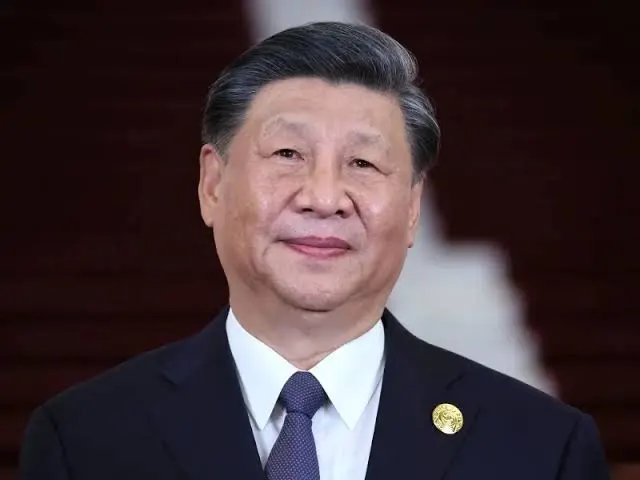
Photo: Chinese President, Xi Jinping
Chinese President Xi Jinping said China will eliminate tariffs on imports from nearly all African countries starting May 1, expanding zero-duty access to the Chinese market in a move aimed at deepening trade ties with the continent.
Xi announced the measure during remarks linked to the African Union summit in Ethiopia, describing it as a step toward a new stage of China–Africa economic cooperation and market integration.
Under the new policy, zero-tariff treatment will apply to all African countries that maintain diplomatic relations with Beijing, according to Chinese state media. The only exception is Eswatini, which has formal diplomatic ties with Taiwan. Beijing regards Taiwan as part of its territory and opposes official recognition of the island by other governments.
China already grants duty-free access on a wide range of imports from 33 African countries. The broader expansion had been signalled previously under commitments made through the Forum on China-Africa Cooperation (FOCAC), where Chinese officials indicated the scheme would be widened to cover the full set of eligible African partners.
Trade analysts say the removal of tariffs could lower entry costs for African agricultural goods, raw materials and manufactured exports entering China, potentially improving competitiveness and volumes if supply and standards requirements are met.
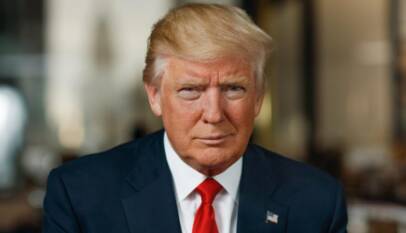
The move comes against the backdrop of tighter U.S. trade measures introduced in 2025 under President Donald Trump, whose administration imposed sweeping tariffs affecting a broad range of countries and product categories. Those measures disrupted several established trade flows and pushed many developing economies to accelerate efforts to diversify export destinations and reduce exposure to single-market risks. Economists say China’s expanded zero-tariff window for Africa may partly benefit from that realignment as exporters look for more predictable market access.
China is Africa’s largest bilateral trading partner and a leading source of infrastructure financing across the continent, much of it channelled through the Belt and Road Initiative. Cooperation frameworks between Beijing and African states typically cover transport, energy, industrial parks and digital infrastructure.
Xi said the expanded zero-tariff regime would “provide new opportunities for African development,” according to official summaries of his remarks.
At the 2024 FOCAC summit in Beijing, China outlined a package of partnership actions spanning trade, agriculture, manufacturing, digital technology and capacity building — sectors viewed by policymakers as central to Africa’s medium-term growth plans.
For African exporters, wider tariff-free access offers potential upside, though economists note that logistics capacity, product standards compliance and currency factors will influence how fully the opportunity is used. For Beijing, the policy strengthens its commercial and diplomatic position in Africa as global trade patterns continue to adjust.