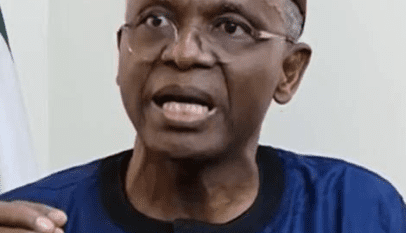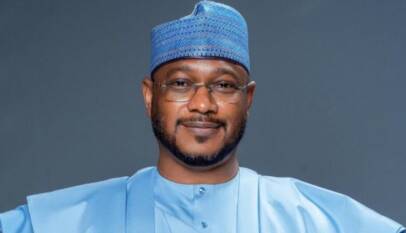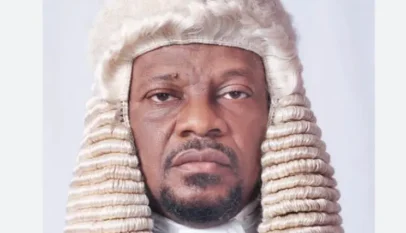

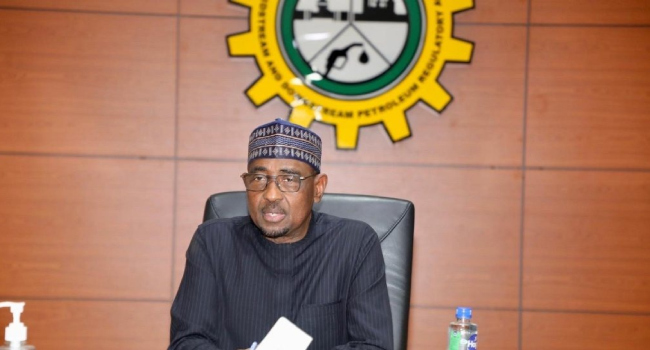
File photo: Ahmed Farouk, CEO, NMDPRA
By Deborah Nnamdi
The Chief Executive Officer of the Nigerian Midstream and Downstream Petroleum Regulatory Authority (NMDPRA), Ahmed Farouk, has described corruption allegations levelled against him by the Chairman of Dangote Group, Aliko Dangote, as “wild and spurious,” saying he would rather clear his name before a formal investigative body than engage in public exchanges.
In a disclaimer personally signed by him, Farouk denied issuing any public response attributed to him on the allegations and distanced himself from the claims circulating in the media. He said that as the regulator of a sensitive sector, he deliberately avoided engaging in what he described as public “brickbat,” noting that the allegations had already been taken to a formal investigative institution where the issues could be dispassionately examined.
Farouk’s reaction followed accusations by Dangote, Africa’s richest man, who alleged that the NMDPRA boss was involved in economic sabotage and corruption that undermined domestic refining in Nigeria. Dangote had also claimed that Farouk was living beyond his legitimate means, alleging that over $7 million was spent on the education of his four children in Switzerland over six years, an amount he said could not be justified by Farouk’s earnings as a public servant.
The dispute between the two men dates back to July 2024, when Farouk reportedly stated that locally refined petroleum products, including those from the Dangote Refinery, were inferior to imported fuel. Dangote rejected the claim and publicly tested diesel from his refinery during an oversight visit by federal lawmakers.
On December 16, Dangote, through his lawyer, Ogwu Onoja (SAN), formally petitioned the Independent Corrupt Practices and Other Related Offences Commission (ICPC), demanding the arrest, investigation, and prosecution of Farouk for alleged corrupt enrichment, abuse of office, and breach of the Code of Conduct for public officers. In the petition, Dangote accused the NMDPRA boss of diverting public funds for private use, including the education of his children abroad, and provided details of the schools and fees paid to aid the investigation.
Dangote argued that such alleged conduct raised serious questions about the integrity of regulatory oversight in the downstream petroleum sector, particularly amid claims that the agency continued to issue import licences in ways that frustrated local refining. He said he was ready to present evidence to support his claims.
The ICPC has confirmed receipt of the petition and stated that the allegations against Farouk would be thoroughly investigated. The commission said it received the complaint on Tuesday, December 16, and assured the public that due process would be followed.
Meanwhile, the House of Representatives has stepped into the dispute, summoning both Dangote and Farouk. The joint committees on petroleum resources (midstream and downstream) have also directed both parties to refrain from further public comments while lawmakers work to address the tensions, which they warned could destabilize the downstream petroleum sector.
Farouk, for his part, maintained that he would defend himself fully before the appropriate authorities and expressed confidence that the investigative process would clear his name.