

By Austin Manekator
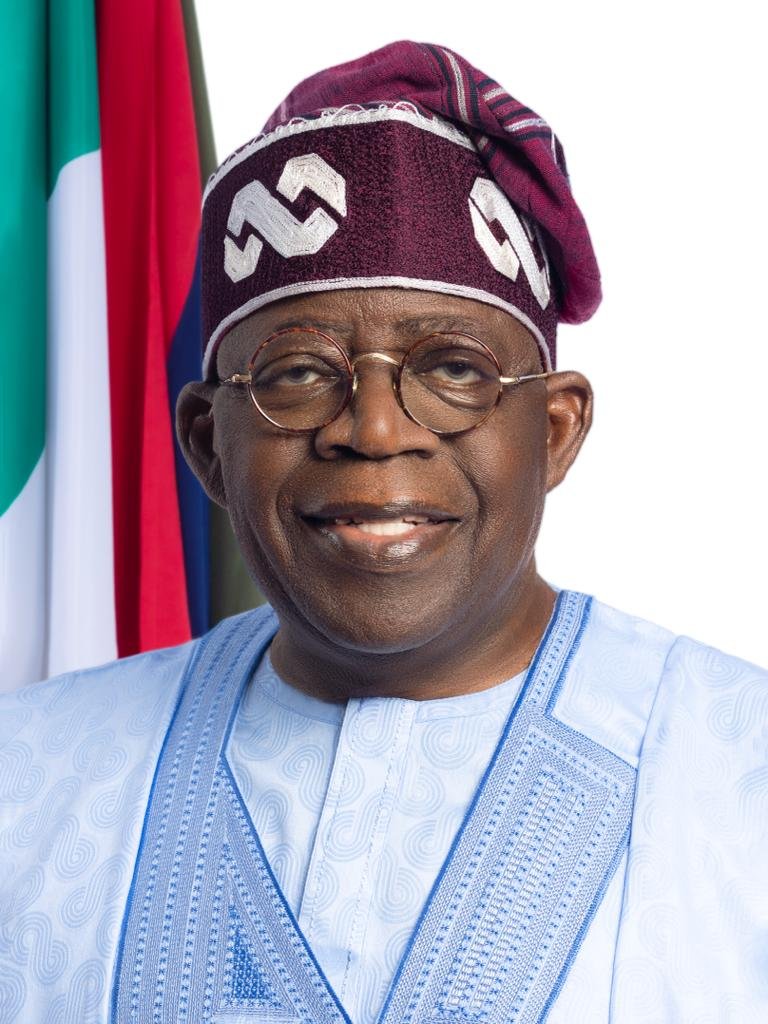
President Bola Ahmed Tinubu, who rarely addresses public concerns directly, has amassed a sizable team of media and communication aides holding various titles. Among them is Daniel Bwala, a former outspoken critic now serving as Special Adviser on Policy Communication, and Sunday Dare, a former Minister, whose appointment as Special Adviser on Media and Public Communication has sparked speculation about a shift in his political positioning.
While these appointments appear designed to enhance public communication and strengthen the administration’s image, Nigerians have grown increasingly critical. Many question the team’s efficiency, underlying motivations, and the financial burden it imposes on the nation.
The quality and impact of advice from President Tinubu’s numerous aides have raised concerns. Are these advisers offering actionable solutions, or is their counsel often disregarded? History suggests that even capable aides can be ineffective if their advice is ignored. Former President Olusegun Obasanjo famously noted that while advisers can provide counsel, the ultimate decisions rest with the president—a sentiment seemingly relevant to Tinubu’s administration.
Key issues such as subsidy removal, national security, and inflation demand clear, coherent advice. Yet, public confusion and contradictory narratives hint at the lack of or selective adherence to such counsel. This has fueled scepticism about the administration’s decision-making process and its reliance on aides for communication on issues that require direct communications from the president.
Critics also question the basis of certain appointments, especially of some of the president and his administration’s most ardent critics, which have raised accusations about the intentions. The Presidency is accused of prioritizing political patronage over merit. For instance, the appointment of Daniel Bwala, a former opposition campaign spokesperson, as Special Adviser on Policy Communication, is viewed by many as a reward for political alignment rather than competence. Such moves, often described as “settling loyalists,” raise concerns about the sustainability and effectiveness of this approach, particularly when taxpayers bear the financial burden.
Operational inefficiencies further erode credibility. A recent example saw conflicting statements from aides regarding Tinubu’s address to the National Assembly, highlighting a lack of coordination within the communication team. These missteps amplify public distrust and hinder effective governance.
The financial strain of maintaining a bloated media structure—over 10 aides with salaries and allowances as well as the pecks of their offices — has also drawn criticism, especially in a period of economic hardship. Many argue that these resources could be better allocated to critical sectors like healthcare, education, and infrastructure.
Despite the extensive communication team, the administration has struggled to connect with Nigerians on critical issues, including fuel subsidy removal and rising living costs. The government’s messaging is often perceived as defensive, contradictory, or out of touch, leaving citizens questioning the team’s purpose.
To rebuild public trust and improve governance, experts call for a streamlined communication strategy. Consolidating roles, enhancing coordination, and prioritizing merit-based appointments could strengthen the administration’s credibility and effectiveness. As one critic observed, “It doesn’t matter how many voices you have if none can deliver a clear, unified message.”
