

By Deborah Nnamdi
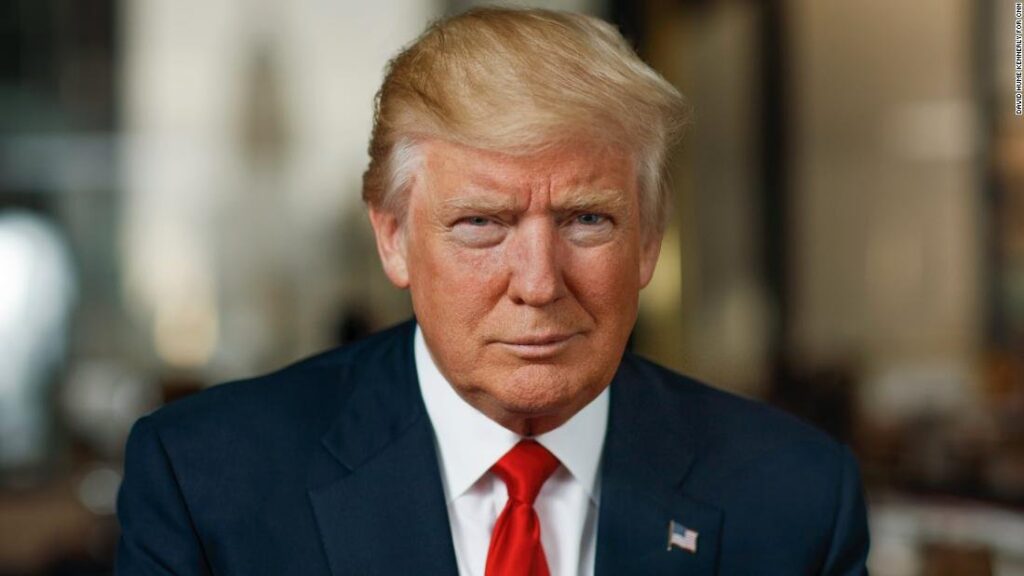
U.S. President Donald Trump has agreed to a two-week ceasefire with Iran, in a dramatic last-minute move aimed at de-escalating a six-week conflict that has claimed thousands of lives across multiple countries.
The agreement, announced late Tuesday, came less than two hours before a deadline set by Trump for Tehran to reopen the strategically vital Strait of Hormuz or face extensive attacks on its civilian infrastructure.
The ceasefire followed mediation efforts by Asim Munir and Shehbaz Sharif, with Sharif confirming that both the U.S. and Iranian delegations have been invited to talks in Islamabad.
Under the terms of the agreement, Iran is expected to halt its blockade of oil and gas shipments through the Strait of Hormuz, a key route that handles roughly one-fifth of global oil supply. In return, Tehran indicated it would suspend counter-attacks if strikes against it cease.
Iran’s Foreign Minister, Abbas Araqchi, said the country would ensure safe passage through the waterway under the ceasefire conditions, while Iran’s Supreme National Security Council described the development as a victory, claiming the U.S. had accepted its terms.
Trump, however, also declared the outcome a “total and complete victory,” stating that military objectives had been achieved and that both sides were moving toward a broader agreement for long-term peace in the Middle East.
Despite the announcement, hostilities appeared to persist in some areas. Explosions were reported in Tel Aviv following missile launches attributed to Iran, while Gulf nations, including Kuwait, Bahrain, Saudi Arabia, and the United Arab Emirates, activated air defence systems in response to aerial threats.
Israel, led by Prime Minister Benjamin Netanyahu, said it would support a temporary halt in strikes on Iran, though it clarified that the ceasefire does not extend to operations in Lebanon. Reports from Lebanon indicated continued Israeli strikes, including an air raid near a hospital that reportedly killed four people.
The conflict, now in its sixth week, has resulted in more than 5,000 deaths across nearly a dozen countries, including over 1,600 civilians in Iran, according to official and human rights sources.
While global leaders welcomed the ceasefire, uncertainty remains over its durability, with some sources suggesting it may serve as a “trust-building” measure rather than a lasting solution. Analysts also note that the move may reflect mounting domestic and international pressure on the U.S. administration to wind down the conflict.
Earlier in the day, Trump had issued stark warnings threatening widespread destruction in Iran, drawing condemnation from global leaders, including the United Nations and the Vatican. The escalation had rattled markets and raised fears of a broader economic fallout, particularly due to disruptions in oil shipments through the Strait of Hormuz.
Financial markets reacted positively to the ceasefire news, with oil prices dropping and stocks rising amid hopes of resumed trade and reduced geopolitical risk.
Negotiations are expected to continue during the two-week window, with both sides indicating cautious willingness to pursue a more comprehensive agreement.
Source: Reuters
