

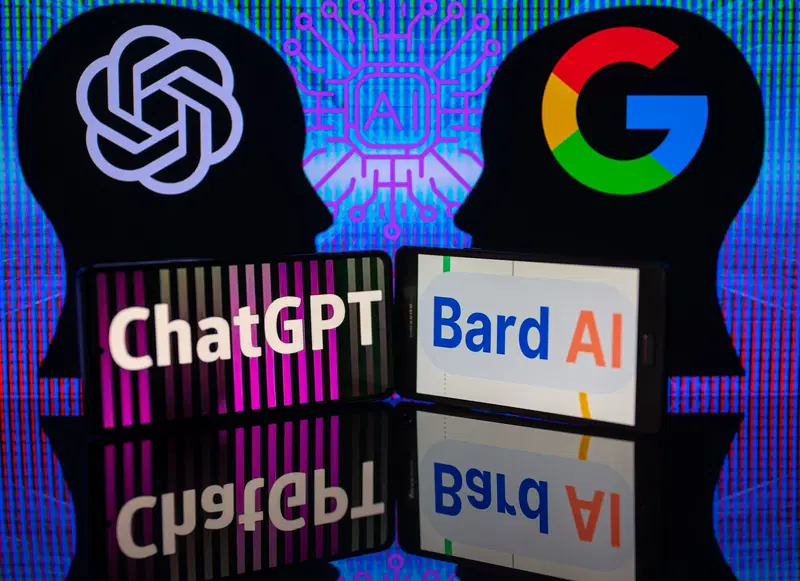
OpenAI, the maker of ChatGPT, has launched ChatGPT Atlas—an artificial intelligence-powered web browser that integrates its flagship chatbot directly into the browsing experience.
The company announced the rollout on Tuesday, October 21, 2025, making the browser initially available for Apple’s macOS users. The move signals OpenAI’s entry into the web browser market, positioning Atlas as a potential challenger to Google Chrome, the world’s most popular browser.
According to OpenAI, Atlas is built without a traditional address bar, instead centering its functions around ChatGPT to deliver what the company describes as a “super-assistant” experience.
“Today we’re introducing ChatGPT Atlas, a new web browser built with ChatGPT at its core,” the company said in a blog post. “A browser built with ChatGPT takes us closer to a true super-assistant that understands your world and helps you achieve your goals.”
The browser allows users to interact with ChatGPT while navigating websites, offering real-time, context-aware assistance without switching tabs. It also features a paid Agent Mode for ChatGPT Plus, Pro, and Business users, enabling automated searches, analysis, and task execution based on browsing activity.
OpenAI added that Atlas supports “browser memories,” allowing ChatGPT to recall context from visited sites for improved assistance. Users can opt in to this feature and manage their stored data at any time.
Currently, ChatGPT Atlas is available globally for Free, Plus, Pro, and Go users on macOS. Business, Enterprise, and Edu users can access it in beta mode through administrative activation. OpenAI plans to extend the browser to Windows, iOS, and Android soon.
The launch comes amid intensifying competition in AI-powered search and browsing. Google, which holds a 71.9% share of the global browser market, has integrated its Gemini AI model into Chrome for U.S. users. Analysts view OpenAI’s new browser as a potential shift in the digital advertising landscape.
“Integrating chat into a browser is a precursor for OpenAI starting to sell ads,” said Gil Luria, analyst at D.A. Davidson. “Once OpenAI starts selling ads, it could take away a significant part of search advertising share from Google.”
OpenAI’s debut of Atlas aligns with its broader 2025 growth strategy, which includes major acquisitions and partnerships. Earlier this year, the company announced plans to acquire AI coding platform Windsurf (formerly Codeium) for $3 billion and product-testing startup Statsig in a $1.1 billion all-stock deal.
To support its growing operations, OpenAI also signed a $300 billion, five-year cloud computing agreement with Oracle, securing 4.5 gigawatts of capacity for training and running large AI models.
The company reports that ChatGPT now has 800 million weekly active users—double the figure recorded in February—underscoring its expanding influence across the global AI landscape.
